top of page


how i think
I design beyond screens.
I think about behavior, systems, and how people actually experience products over time.

My work sits somewhere between product design, storytelling, and controlled chaos.

core principles

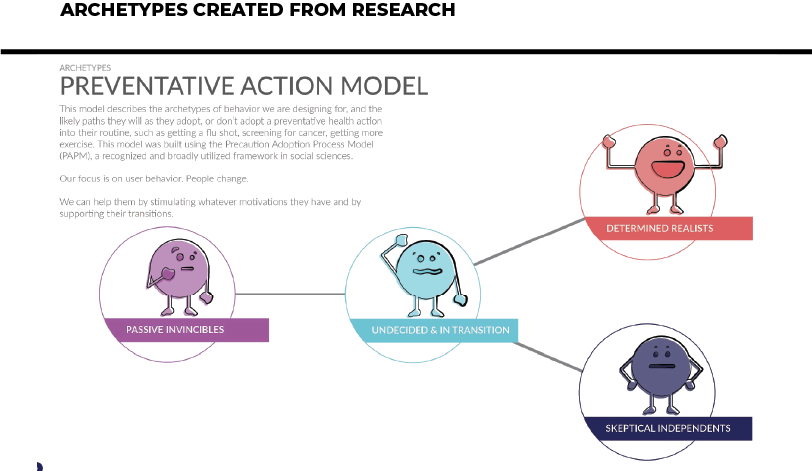
i look for behavior, not just answers
People will tell you what they think.
They’ll show you something completely different.
I focus on what users actually do.
Where they hesitate, skip, or drop off.
Research and observation.

This shows up in how I run interviews, testing, and early product validation.

i design systems, not just screens

A single screen can solve a moment.
A system shapes what happens next.
I think about flows, feedback loops, and how experiences evolve over time. Not just what’s in front of the user.


story is a tool, not decoration
Story helps people understand what something is, what to do, and why it matters. It also creates a sticky behavior while connecting with the user.
I use narrative to guide behavior and make complex ideas feel intuitive. Sometimes even fun.

i use friction intentionally
Not everything should be seamless.
I remove friction when speed and clarity matter.
I add friction when trust, reflection, or decision-making matter.

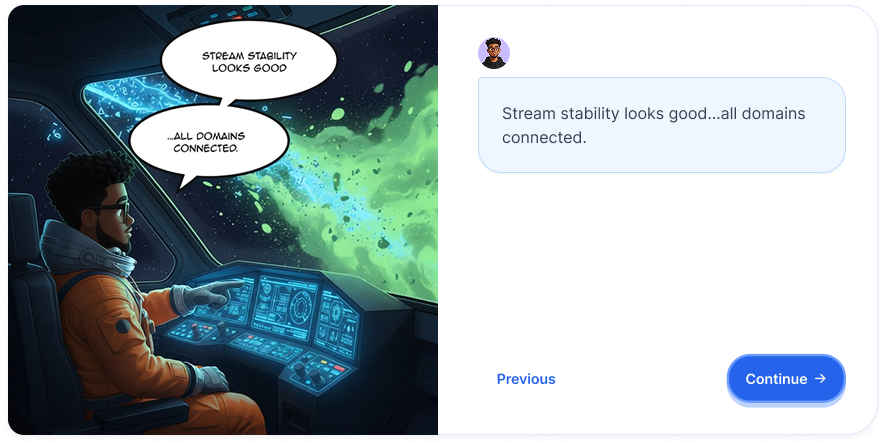


This can be important in games as well as AI experiences where users need to evaluate and act on information.

i design for real contexts, not ideal ones
People are distracted. Busy. Unsure. Sometimes skeptical. Perhaps even a little freaked out.
how this shows up in my work
-
structure onboarding experiences
-
design AI interactions that require trust
-
build systems that evolve over time
-
balance clarity with play

research (but not in a lab coat)
My process is grounded in research, but let's face it - there is no ideal scenario or budget - timelines are bonkers and product environments are messy.
-
generative interviews
-
concept testing
-
behavioral observation
-
scrappy validation
-
working with real users early

At the end of the day, I’m trying to make things that people understand quickly, trust over time, and maybe even enjoy using. We are all busy and could use a small break even if that break is just a sweet intuitive product design.
bottom of page